
Aeternus Flavor
Heritage craft, kept.
Preserved food as an object of provenance, craft and permanence.
Executive summary
What this venture is
Aeternus Flavor reimagines preserving — canning, curing, smoking, fermenting — as a luxury pantry category rather than a utility one.
Exceptional single-origin ingredients are treated with time-honoured techniques to produce organic, shelf-stable products with genuine provenance and modern food-safety standards.
The brand is built and the site is live in pre-launch, with a founder's collection and a cellar list capturing early demand ahead of first release.
Gallery
Website, product and brand imagery
Select any image to open the full-size viewer — swipe on mobile, arrow keys on desktop.
Sample content
The experience in practice
Positioning line
Flavor, made eternal. Heritage craft, kept.
Method
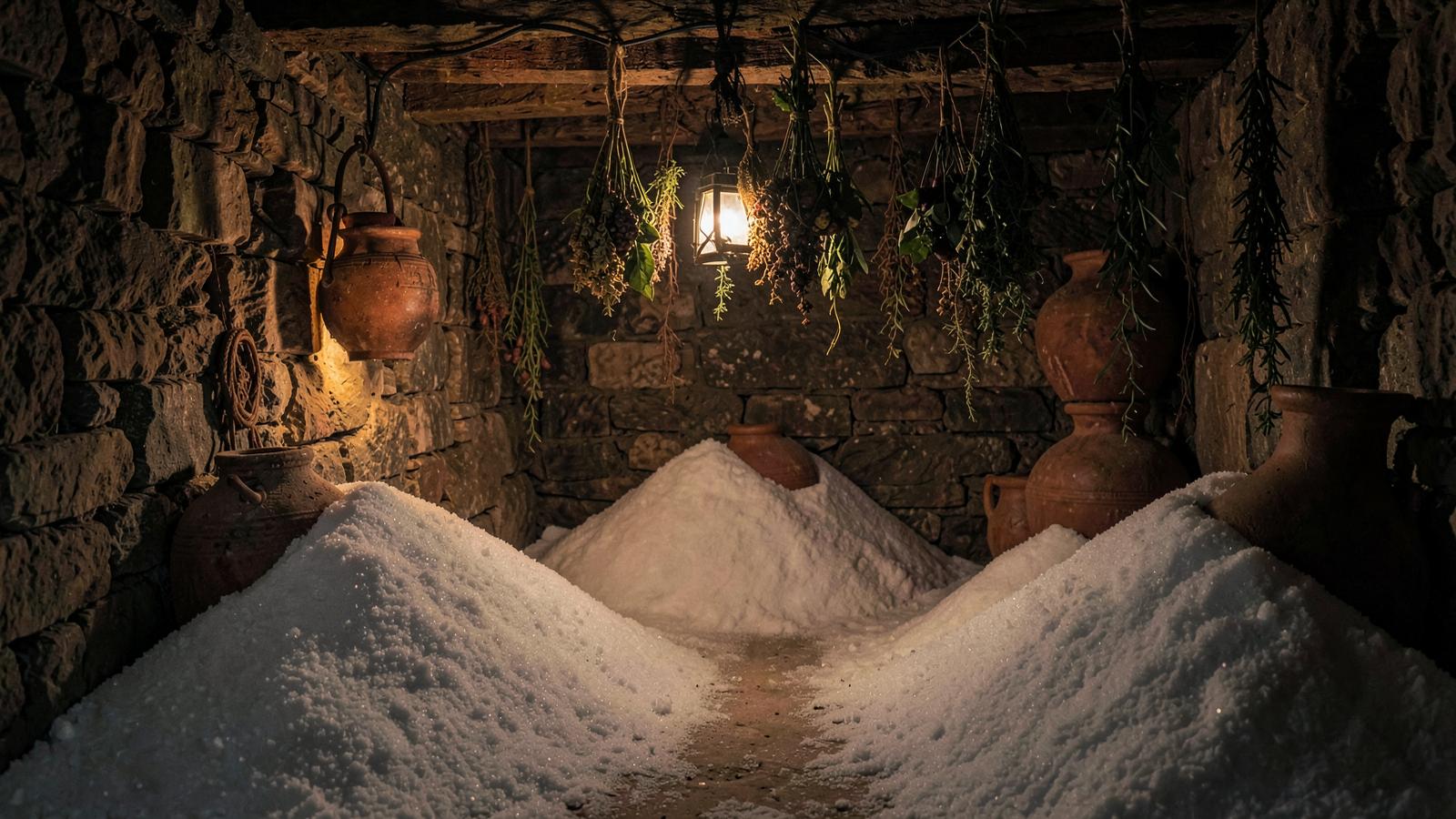
We cook using the oldest culinary methods there are — salt, smoke, fat, ferment and fire — because they build flavour nothing else can.
Launch mechanic
The Cellar List brings launch notes, first access to releases and occasional correspondence from the house.
Industry analysis
Premium pantry is where provenance storytelling commands real margin.
Specialty and heritage food has proven that consumers will pay substantial premiums for provenance, craft method and beautiful objects — olive oil, tinned seafood, single-origin chocolate and small-batch preserves have all crossed from commodity to gift and collector behaviour. The category rewards brand and packaging as much as product, and direct-to-consumer economics are strong when shelf-stable goods remove cold-chain cost.
- Tinned and preserved goods repositioned as premium gifting
- Provenance and single-origin as accepted price justification
- Shelf-stable goods ship cheaply with no cold chain
- Gifting and limited-release drops smooth demand and cash cycles
SWOT analysis
Honest position
Strengths
- Fully realised brand world with genuine luxury credibility
- Shelf-stable products: no cold chain, long saleable life
- Limited releases create scarcity and pricing power
- Gift-market fit with high average order value
Weaknesses
- Physical product means inventory, working capital and COGS
- Food production, labelling and compliance overhead
- Small-batch production caps early volume
- Customer acquisition cost is high for a first-order DTC food brand
Opportunities
- Corporate and seasonal gifting programmes
- Chef and restaurant collaborations
- Speciality retail and hotel placement
- Subscription cellar with recurring allocations
Threats
- Ingredient cost and supply volatility
- Food-safety and recall exposure
- Discretionary spending sensitivity in downturns
- Established heritage producers with existing distribution
Financial projections
Illustrative model
| Period | Customers | Revenue | Gross margin | Focus |
|---|---|---|---|---|
| Year 1 | 600 orders | $60k | 45% | Founder's collection, first releases, pack and process proven |
| Year 2 | 4,000 orders | $420k | 50% | Gifting programme and repeat cellar allocations |
| Year 3 | 11,000 orders + wholesale | $1.3M | 54% | Speciality retail and chef collaborations |
Illustrative model, not a forecast. Figures are scenario planning assumptions used inside the studio and have not been audited or validated against booked revenue.
Assumes direct-to-consumer launch with limited releases, higher physical COGS than the software ventures, and gifting seasonality.
Social benefit
Why it should exist
- Keeps traditional preservation crafts economically alive
- Extends the usable life of seasonal harvests and reduces food waste
- Pays properly for high-quality, organically grown raw ingredients
- Teaches provenance and method rather than hiding the supply chain
Documents
Downloads and published materials
Aeternus Flavor venture brief
Executive summary, industry view, SWOT, illustrative model and social benefit in one file.
Markdown (.md) · generated from this page
Investor decks and detailed operating models are shared on request rather than published. Use the contact page to ask for access.